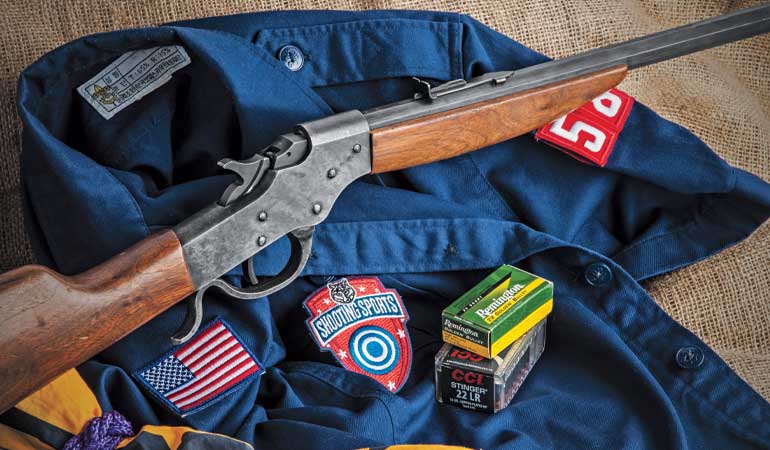
22 Long Rifle
I cut my teeth on a Savage Model 72 “Crackshot” 22 Long Rifle. I remember go on ground squirrel and prairie dog Safaris in the sagebrush country of southern Wyoming with my dad at the age of 4 or 5 years old. With a hand full of 22 shells in my pants pocket and using sagebrush to steady myself many a critter fell to the accuracy of this “big” (to me at that age) rifle. I especially liked it when my dad would bring out his Browning 1885, 45-70 Govt. The rifles looked identical in my mind and even the cartridges were just scaled versions of each other.
This firearm was lost to me as it was stolen by my elder brother when our dad passed away. An good accurate long barrel 22 Long Rifle is a must in any arsenal. I purchased a Ruger 77/22 with a 26 inch barrel as a replacement for this little rifle but I’m always on the lookout for one of these at the right price.
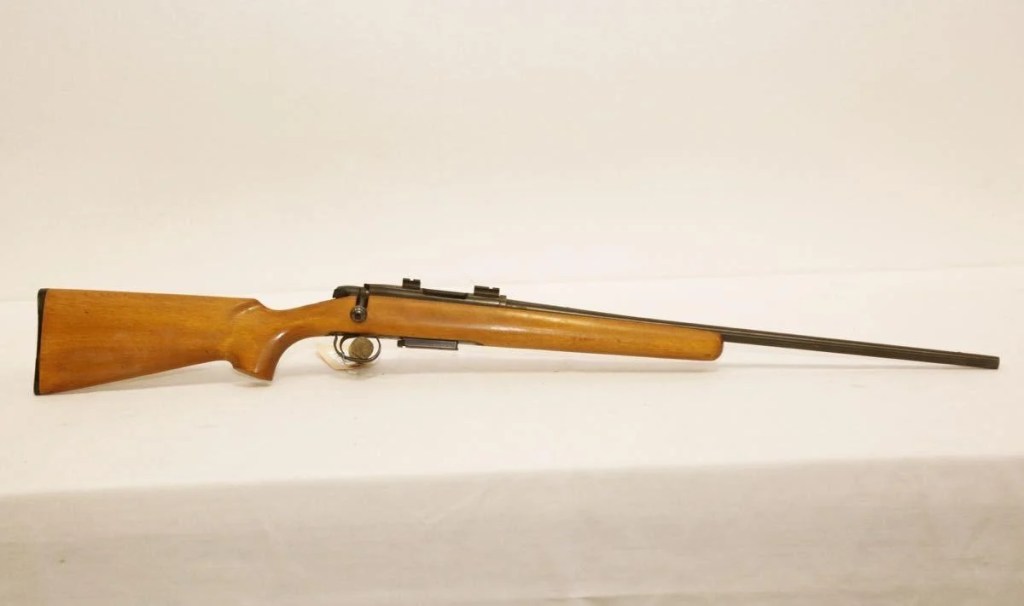
222 Remington
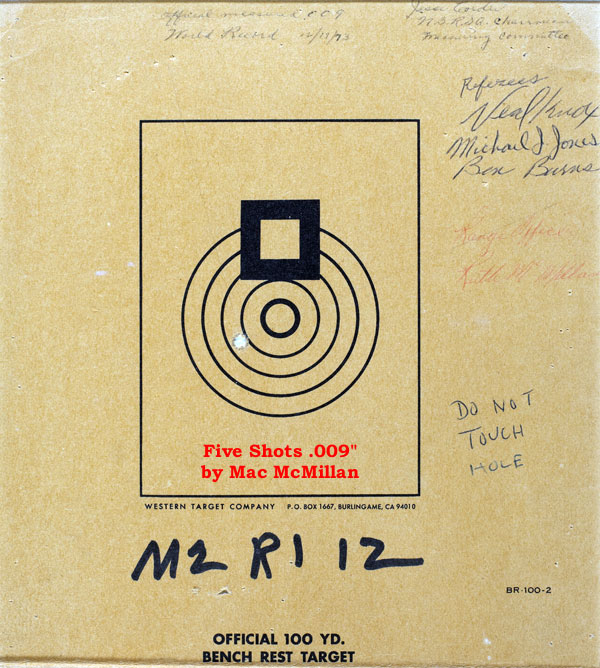
I used that “Crackshot” for about 5 years before I finally graduated into a centerfire cartridge. That finally happened at the mature age of 9 years old. It was a Remington 788 in 222 Remington, which we affectionately called the “Triple Deuce.” This little cartridge was world renowned for shooting a 100 yard, 5-shot group that measured 0.009″ and was THE world record for 40 years.
We didn’t have the money to buy brass so we sized down and trimmed 5.56 NATO and 223 Remington brass. It was a process that I eagerly undertook. Not only did we make our own brass but we made our own bullets as well. All those years of shooting a single shot 22 rimfire and saving the spent cases paid off. Annealing and passing the cases through a draw die unfolded the rims forming a bullet jacket. Cutting cores from lead wire, inserting and seating into the jacket then passing them through a forming die closed the point and made for a very explosive hollow point bullet.
The first loaded ammo for my “Triple-deuce” cost me about $0.03 a round, including the price of the 22 Long Rifle ammo. That first summer and for the next 3 years I shot over 5000 rounds of ammo through that rifle. All and all since that time until now (36 years) I’ve fired over 10,000 rounds through that barrel, 80+% of which have been homemade bullets. I’ve used it to kill everything from Deer to deer mice and everything in between. It has killed pick-up loads of Prairie dogs and jackrabbits, coyotes, crows, and magpies.
I was thinking it might need a re-barrel a few years back as I refinished the stock and put it back in the original wood. I gave the bore a thorough cleaning and it wouldn’t shoot to save my life. I pulled the metal from the stock and cleaned the wood out, bedded the receiver and floated the barrel. After about 20 rounds of fouling it settled back down to about a 0.25″ group at 100 yards.
With the popularity of the 223/5.56 in the AR platform and the velocity and extended range of the super 22s (22-250, 220 Swift, 22 CM, etc.) the ol’ “triple-deuce” has fallen by the way side. But for me and folks like me the 222 Remington holds a special place in my heart and arsenal, sometimes a couple slots.
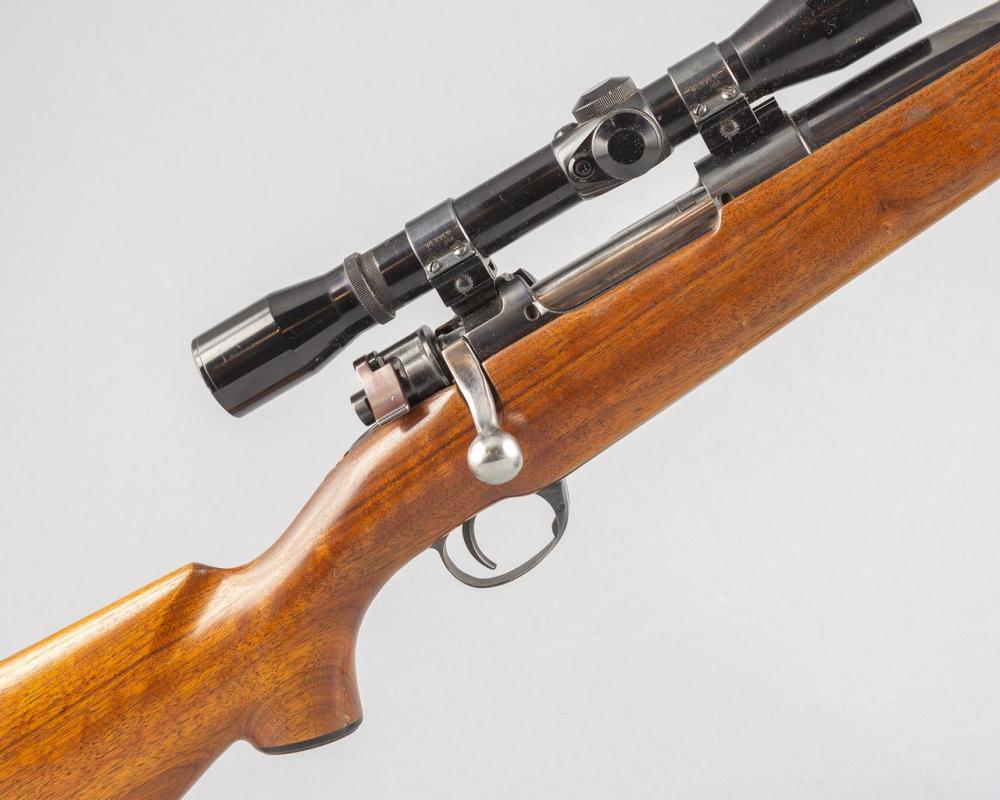
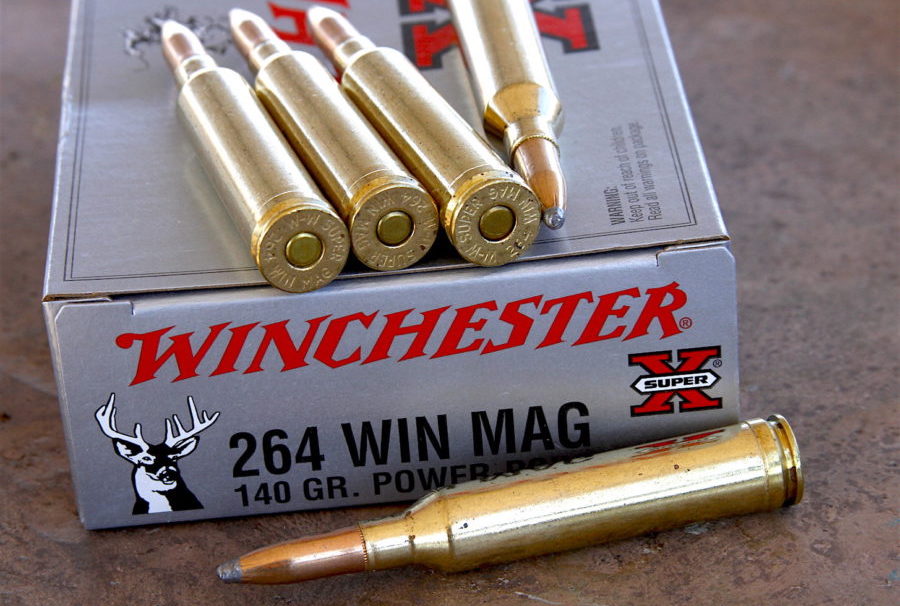
264 Winchester Magnum
The Siamese Mauser came to be in the early 1900s. It’s design was based on the German Gewehr of 1898 and incorporated a “slanted” magazine box to accommodate rimmed ammunition, hence it is also known as a “Slant-box Mauser.” When these rifles started entering the states after the World Wars gunsmiths and hobbyists alike re-barreled them for 45-70s. My dad had a couple of these surplus actions laying around. He chambered and barreled up one for the venerable 264 Winchester.
This rifle was originally built for my mom as an all around western open country hunting rifle. Boasting high velocity and flat trajectory I killed my first antelope with this cartridge. I’ve made many spectacular kills with this combination, ones that require the use of the odometer to measure the distance of the shot. This particular combination was a little discomforting as I attained my high school years, having on more than one occasion been “scope bit.”
My current “active” 264 is a post-64 Model 70 Winchester with a Pre-64 “Westerner” barrel screwed into it. I currently shoot a light, plinking load with a 90-100 grain bullets for critters and such as well as 140-160 grain bullets for the larger critters weighing in excess of 250 lbs.
This cartridge has been overtaken by the new modern fad of “magnums” without the magnum name. The 6.5 caliber has never really been very popular due to it being a caliber that our enemies often used against us in the World Wars and also the lack of bullet options available. Despite having one of the highest sectional densities of all calibers in available bullet weights and a naturally high ballistic coefficient the caliber’s most notable advocates were “Brits” who hunted the continent of Africa.
The cartridge is making a comeback in the “underground” and “backwaters” of the shooting world as bullet availability and options has increased substantially over the last 15 years. Yet to uneducated the cartridge carries enough nostalgia that when it shows up in hunting camp the ol’ timers know that the wielder is die-hard western open country big game hunter.
To be continued…
 Those Who Can't